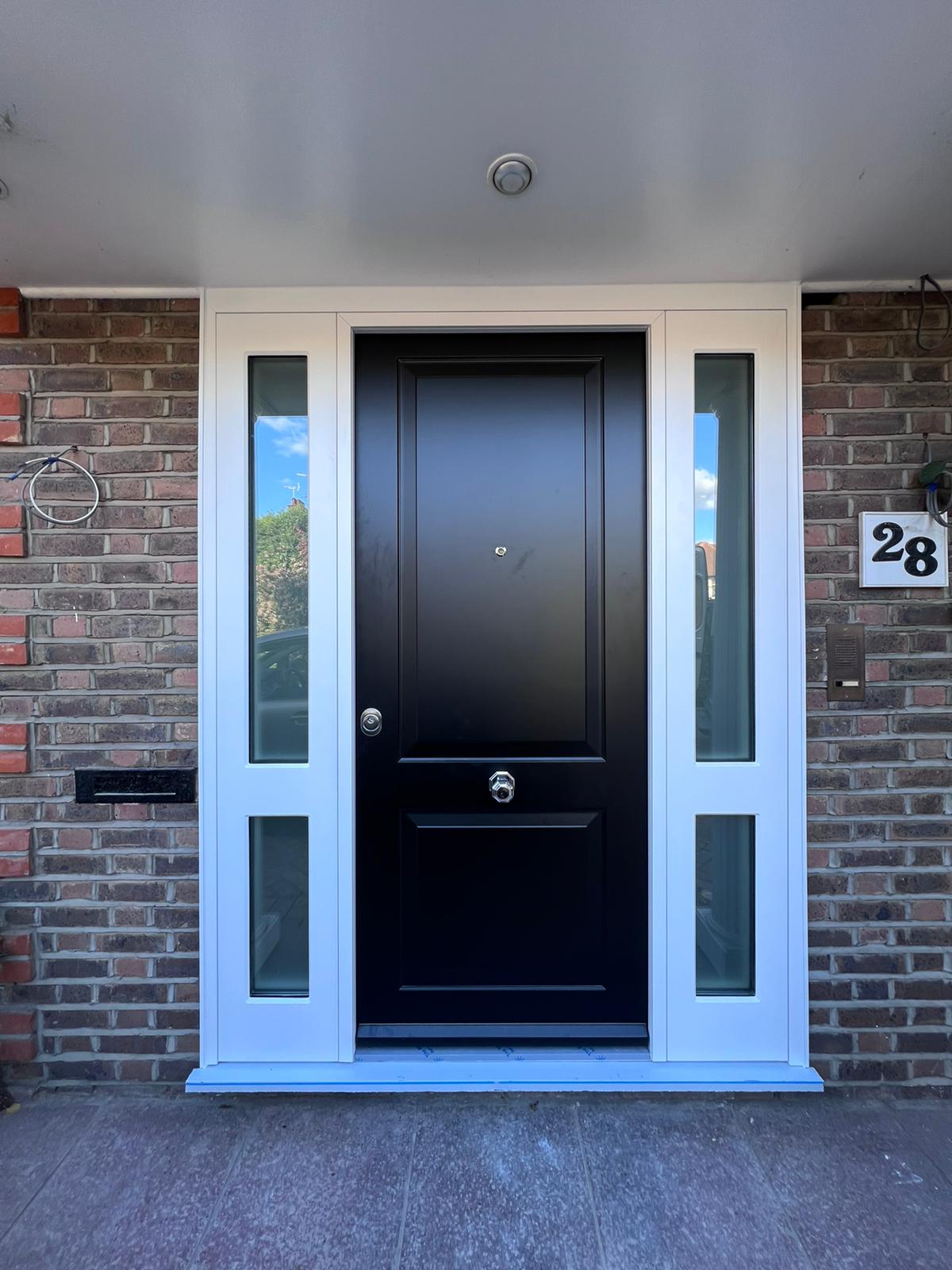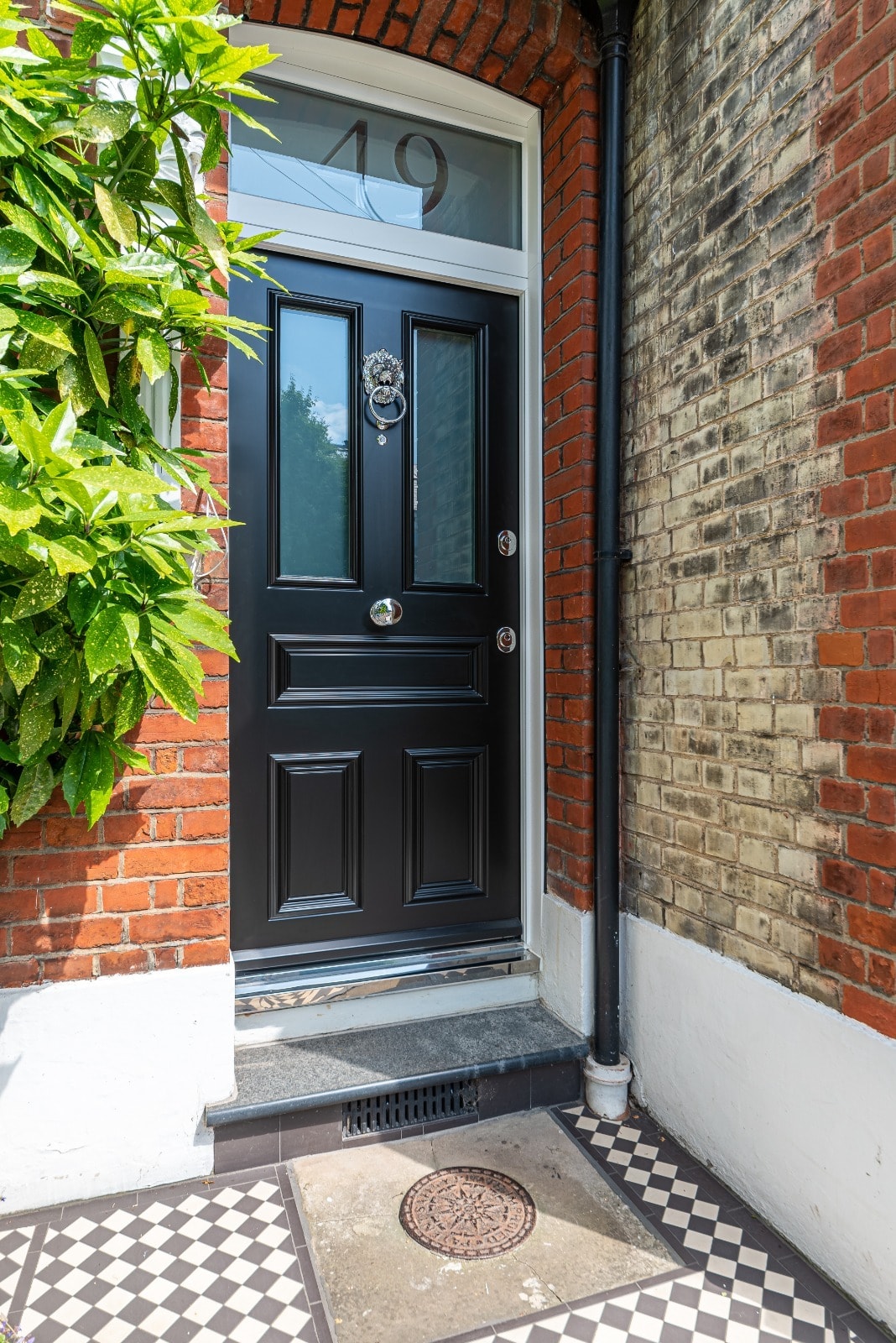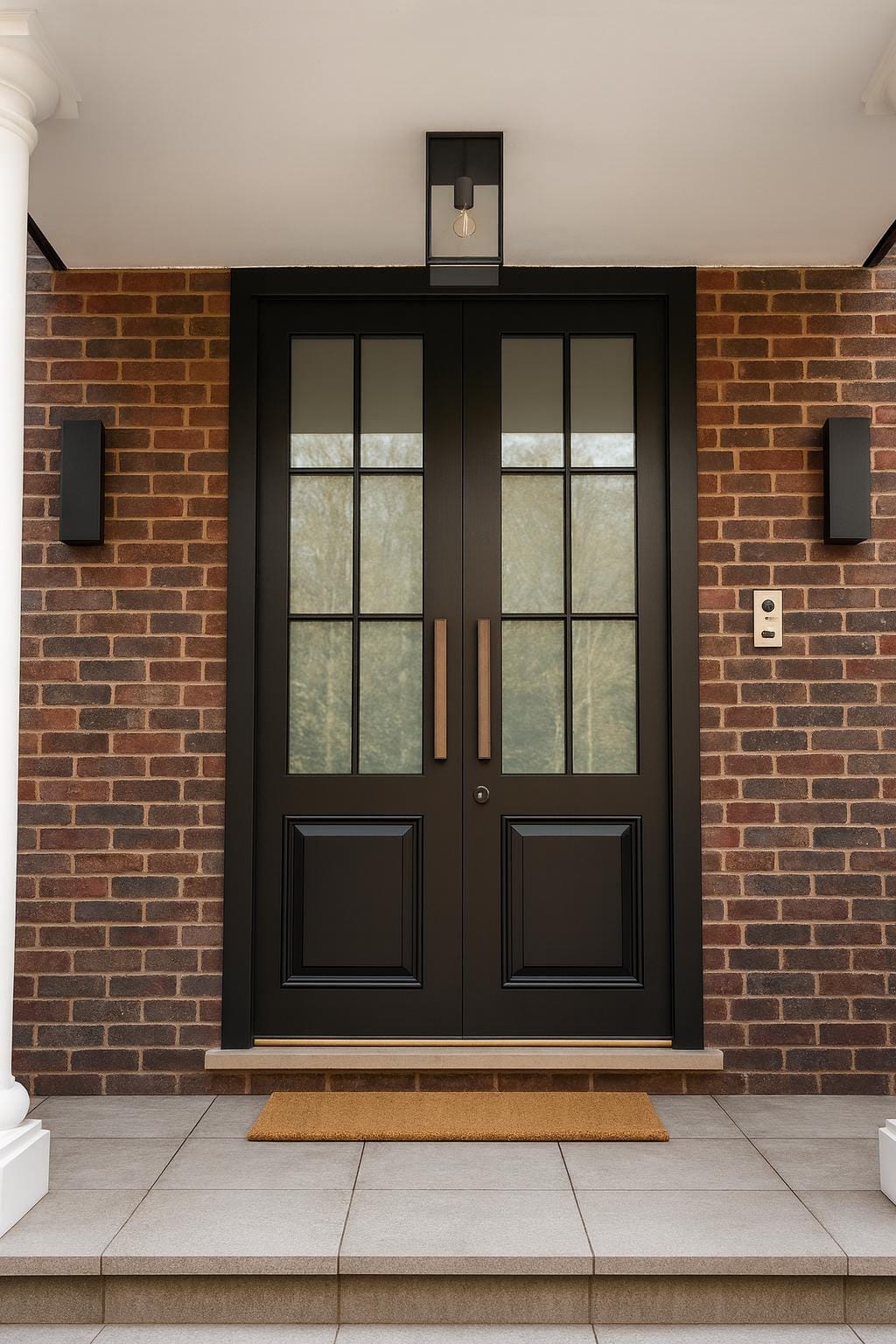
The Confusion the Industry Does Not Always Clear Up
If you have searched for a steel front door in the UK, you have almost certainly been shown products described as "steel-look", "heritage steel" or "industrial style" that are not made of steel at all. They are aluminium, engineered with slim sightlines and glazing bars to imitate the look of old steel windows and the slim black framing of period industrial glazing.
This is not a scam, aluminium steel-look doors are legitimate, well-made products that suit a particular contemporary aesthetic. The problem is that the language blurs two very different things, and buyers spending serious money deserve to know which they are actually buying. A door that looks like steel and a door that is steel perform differently where it matters most: security and strength.
This guide explains the difference plainly, how to tell them apart, and which is right for which job.
What "Steel-Look" Usually Means
When a product is sold as "steel-look", "steel-effect" or "heritage steel", it is most often an aluminium system shaped to evoke the thin black framing of original steel windows and doors. Aluminium is light, easy to extrude into slim profiles, and naturally corrosion resistant, which makes it well suited to large glazed screens and minimalist framing.
What it is not is structural steel. Aluminium is a softer, less dense metal. To imitate the slim look of steel it relies on the profile shape, not on the inherent strength of the material. For a glazed garden door or an internal screen where the priority is light and slim lines, that is a sensible choice. For a front door whose primary job is to keep people out, the material difference becomes important.
What Real Steel Brings That Steel-Look Aluminium Cannot
The honest summary is that aluminium steel-look doors win on slimness and weight, and real steel wins decisively on security and strength. For a front entrance, security is usually the deciding factor.
Security Rating
This is the clearest divide. Residential aluminium doors, including steel-look systems, typically certify to PAS 24 or, at best, SR2 (RC2) under the LPS 1175 scheme. Aluminium deforms more easily under concentrated force, so reaching higher ratings needs much heavier profiles than the slim steel-look aesthetic allows.
Real steel reaches a different level. Every SteelR door is certified to BS EN 1627:2011 RC4 single leaf, unglazed as Standard, with LPS 1175 SR3 available as the Enhanced upgrade and SR4 as the Commercial-grade upgrade. SR3 testing subjects the complete doorset to a sustained attack with professional power tools. That is simply not achievable in a slim aluminium profile. If a door is sold as "secure steel-look" but only carries PAS 24, that tells you it is aluminium.
Strength and Longevity
Steel holds its shape and alignment under load and over decades. Aluminium is more prone to denting from impact and, on very large profiles, to minor distortion over long periods of thermal expansion. For a heavy, frequently used front door, steel's dimensional stability is an advantage. You can read the full breakdown in our steel vs aluminium front doors comparison.
Where Aluminium Genuinely Wins
In fairness, aluminium steel-look systems have real strengths: lighter weight for very large glazed openings, the slimmest possible sightlines, and natural corrosion resistance for exposed coastal sites. If your priority is a wall of glass with minimal framing and security is a secondary concern, aluminium may be the better fit. The mistake is choosing aluminium for a front door while believing you are getting steel-grade security.
How to Tell Which You Are Actually Being Sold
You do not need to be an expert. Ask these questions, and the answer becomes obvious.
- Ask the material directly. "Is this door steel or aluminium?" A reputable supplier will answer plainly. Hesitation or a pivot to "steel-effect" is the answer.
- Ask for the security certification. Request the specific rating and standard. PAS 24 or SR1 or SR2 almost always means aluminium. BS EN 1627 RC4 or LPS 1175 SR3 means real steel.
- Check the weight. A single-leaf bespoke steel door is typically 60 to 100kg. An aluminium steel-look door of the same size is roughly a third of that. Weight is a fast tell.
- Look at the glazing-to-frame intent. Steel-look aluminium is usually sold around maximising glass with thin bars. Real steel entrance doors are usually sold around solid security with glazing as a controlled feature.
- Ask where the rating applies. Some products quote a rating for a window or screen, not the door. The certification must apply to the doorset you are buying.
For more on separating genuine specification from marketing language, our UK steel doors vs imported guide covers how to read the claims, and the security specification page sets out exactly what each rating means.
Which Should You Choose
Choose steel-look aluminium if your priority is an ultra-slim, glass-led aesthetic, the lightest weight for an oversized opening, or a highly exposed coastal location, and if security beyond PAS 24 is not a concern.
Choose real steel if the door is a main entrance where genuine, certified security matters, if you want a door that holds its shape and finish for decades, and if you want the substantial, solid feel that only mass delivers. With a bespoke steel door you can still achieve a slim, heritage or contemporary look, the difference is that the security and strength are real, not implied.
If you have been quoted for a "steel-look" door and are not certain what it is made of, send us the specification. We will tell you honestly what you are being offered and how a real steel door would compare for your property. Browse the collection for designs across traditional, heritage and contemporary styles, or contact our team to discuss your project.
Frequently Asked Questions
Are heritage steel-look doors actually made of steel?
Usually not. Most products sold as "steel-look", "heritage steel" or "industrial style" in the UK residential market are aluminium systems shaped to imitate the slim framing of original steel windows and doors. They are legitimate products, but they are aluminium, not structural steel, and they do not reach steel's security ratings. Always ask the supplier to confirm the material and the certification in writing.
Is steel-look aluminium as secure as real steel?
No. Residential aluminium doors, including steel-look systems, typically certify to PAS 24 or SR2 at most, because aluminium is softer and deforms more easily under attack. Real steel doorsets reach BS EN 1627 RC4 and LPS 1175 SR3 or SR4, which require sustained resistance to professional power tools. If security is the priority for a front entrance, real steel is materially stronger.
How can I tell if a door is steel or aluminium?
Ask directly, then check three things: the security certification (PAS 24 or SR1 or SR2 indicates aluminium; RC4 or SR3 indicates steel), the weight (steel single leaves are typically 60 to 100kg, around three times an aluminium equivalent), and how it is marketed (glass-led and slim usually means aluminium; security-led usually means steel). A clear supplier will confirm the material without hesitation.
Can a real steel door still look slim and contemporary?
Yes. Bespoke steel doors can be made in slim, contemporary and heritage styles, including flush panels, fine glazing bars and minimalist hardware. The visual language of steel-look aluminium can be matched in real steel while keeping genuine security and strength. The difference is in what the door is made of and what it is certified to, not only in how it looks.
Why does the difference matter if they look the same?
Because a front door's main job is security, and the two materials perform very differently under attack. Two doors can look almost identical and yet one resists a five-minute power-tool attack while the other meets a three-minute hand-tool standard. Paying a premium price for a "steel-look" door while receiving aluminium security is the outcome this guide exists to prevent.