Reviews Answer One Question Well and Another Badly
Reviews are the first thing most buyers reach for, and they are genuinely useful. They tell you whether a company turns up when it says it will, communicates clearly, tidies up, and behaves reasonably when something goes wrong. For a purchase involving a survey, a manufacturing lead time and an installation day, that is worth knowing.
What reviews cannot tell you is whether the door is secure.
A homeowner writing a review three weeks after installation is describing the experience of buying and the appearance of the finished door. They are not in a position to describe how the doorset performed against a tested attack sequence, because nobody attacked it. Almost no review of a front door is written by someone who has had that door tested, and the small number written after an attempted break-in are not a representative sample.
This matters because security is the reason most people consider a steel door in the first place. The evidence that answers the security question is a different kind of document entirely.
What Reviews Are Good Evidence Of
Read reviews for the things they genuinely evidence:
- Whether the survey was accurate. Complaints about doors that did not fit, or return visits to adjust, point to a weak link between surveying and manufacturing.
- Whether the lead time held. Consistent reports of slippage tell you something the quoted lead time does not.
- Installation quality and conduct. Whether the team protected floors, cleared up, and explained the locking and maintenance.
- Behaviour after the money changed hands. The most informative reviews are the ones written a year or more later, or the ones describing how a problem was handled. A supplier's response to a poor review is often more revealing than the review.
- Whether the finish matched what was promised. Colour, hardware and glazing arriving as specified.
Weight recent reviews more heavily than old ones, and pay particular attention to any that describe an aftercare visit. That is the part of the relationship you will rely on for decades.
What Reviews Cannot Evidence
Be sceptical of reviews used to support the following, because a customer is not in a position to verify any of them:
- That a door is "RC4" or "SR3" or "PAS 24 certified"
- That the security rating covers the glazed configuration that was fitted
- That the fire rating applies to the doorset as installed rather than the leaf alone
- That the steel thickness or internal reinforcement matches what was described
- That the door will still be serviceable in twenty-five years
These are testing and documentation questions. They are answered by certificates, not testimonials, and the certificates are straightforward to ask for.
The Documents That Actually Answer the Security Question
When a supplier claims a security rating, ask for the certification and check four things on it.
1. What standard, and which class. The main ones for UK residential entrance doors are:
- PAS 24:2022, the UK baseline for enhanced-security doorsets and the standard behind Approved Document Q for new dwellings. Our PAS 24 explainer covers what the test involves.
- BS EN 1627:2011, which grades doorsets in resistance classes against increasingly capable attackers using increasingly serious tools.
- LPS 1175, the LPCB standard used where the threat assessment is higher, expressed in security ratings such as SR3 and SR4. Our comparison of security ratings from SR1 to SR3 sets out how the tiers relate.
- Secured by Design, the UK police-preferred specification covering the complete door system.
2. Whose name is on it. Certification belongs to the organisation that submitted the doorset for test. If the name is unfamiliar, ask how it relates to the company selling you the door.
3. What configuration it covers. This is the detail most often skipped. A certificate describes a specific tested assembly: leaf construction, frame, hinges, locking, cylinder, fixings and glazing. A rating earned on a solid single leaf does not automatically transfer to the same door with sidelights and a fanlight. Ask explicitly whether the certification covers the configuration you are ordering.
4. Whether it covers the doorset or a component. A high-specification cylinder in an untested assembly tells you very little. Security under these standards is a property of the whole doorset.
A supplier with genuine certification produces these documents readily. Reluctance at this point is itself informative.
Third-Party Signals Worth Checking
Beyond reviews and certificates, a short due diligence pass is worth the time on a purchase of this size and longevity:
- Companies House. Incorporation date, filing history and whether the trading name matches the legal entity behind the contract.
- Consistency of the specification across the supplier's own material. Where a website, a brochure and a quotation disagree about lead time, rating or fire performance, ask which is current.
- Whether the installation team is employed or subcontracted. This determines accountability on the day and in year three.
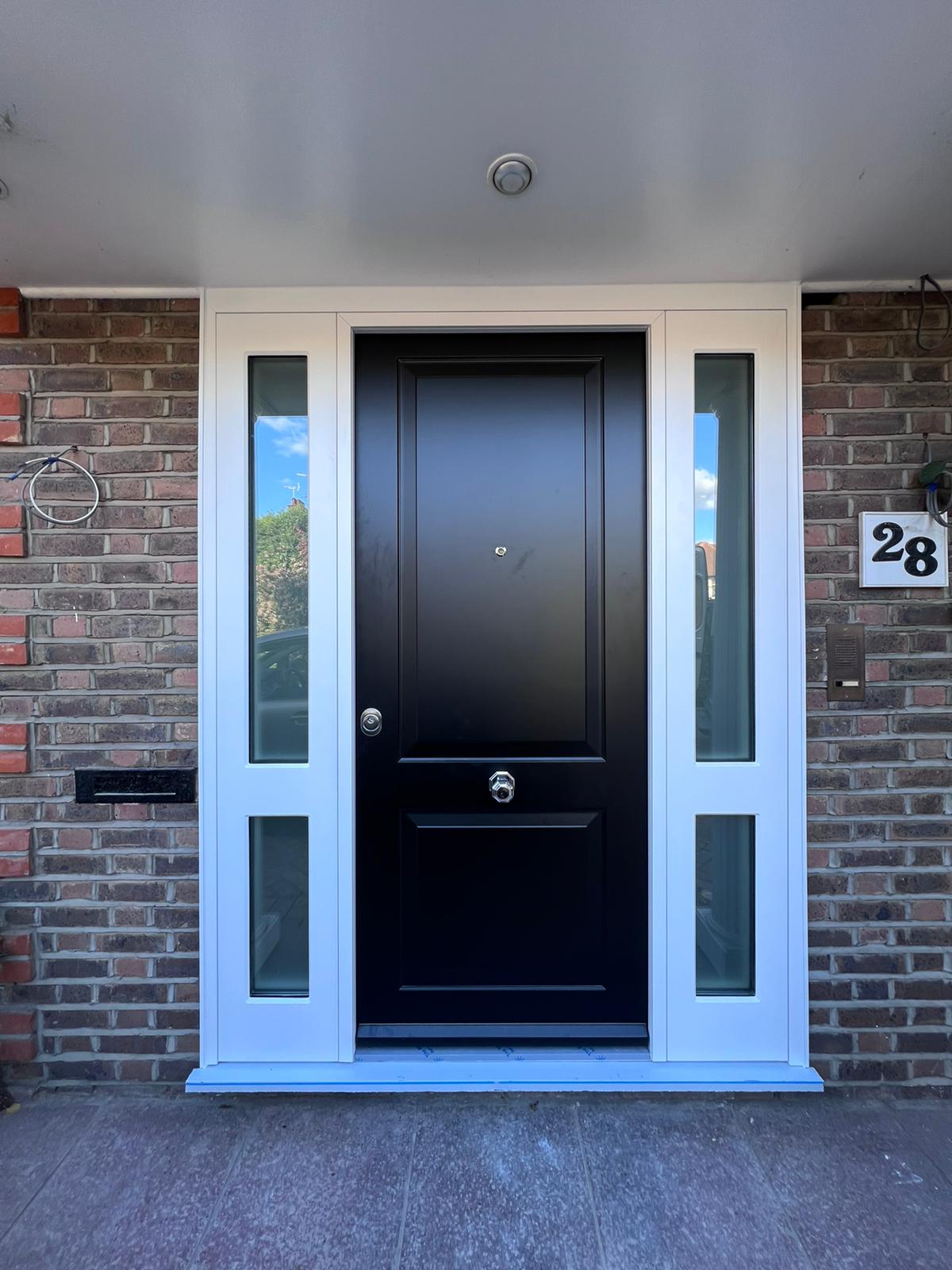
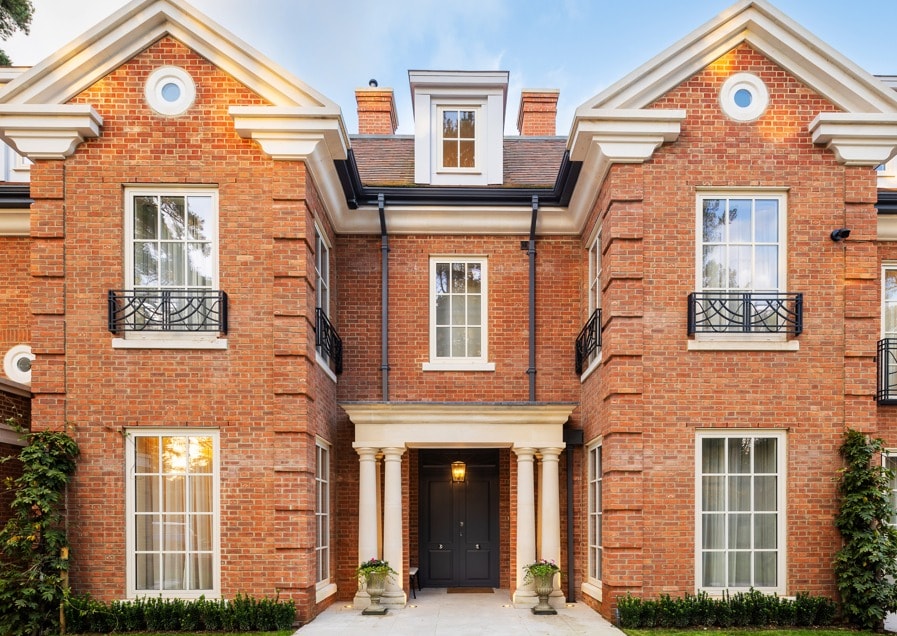
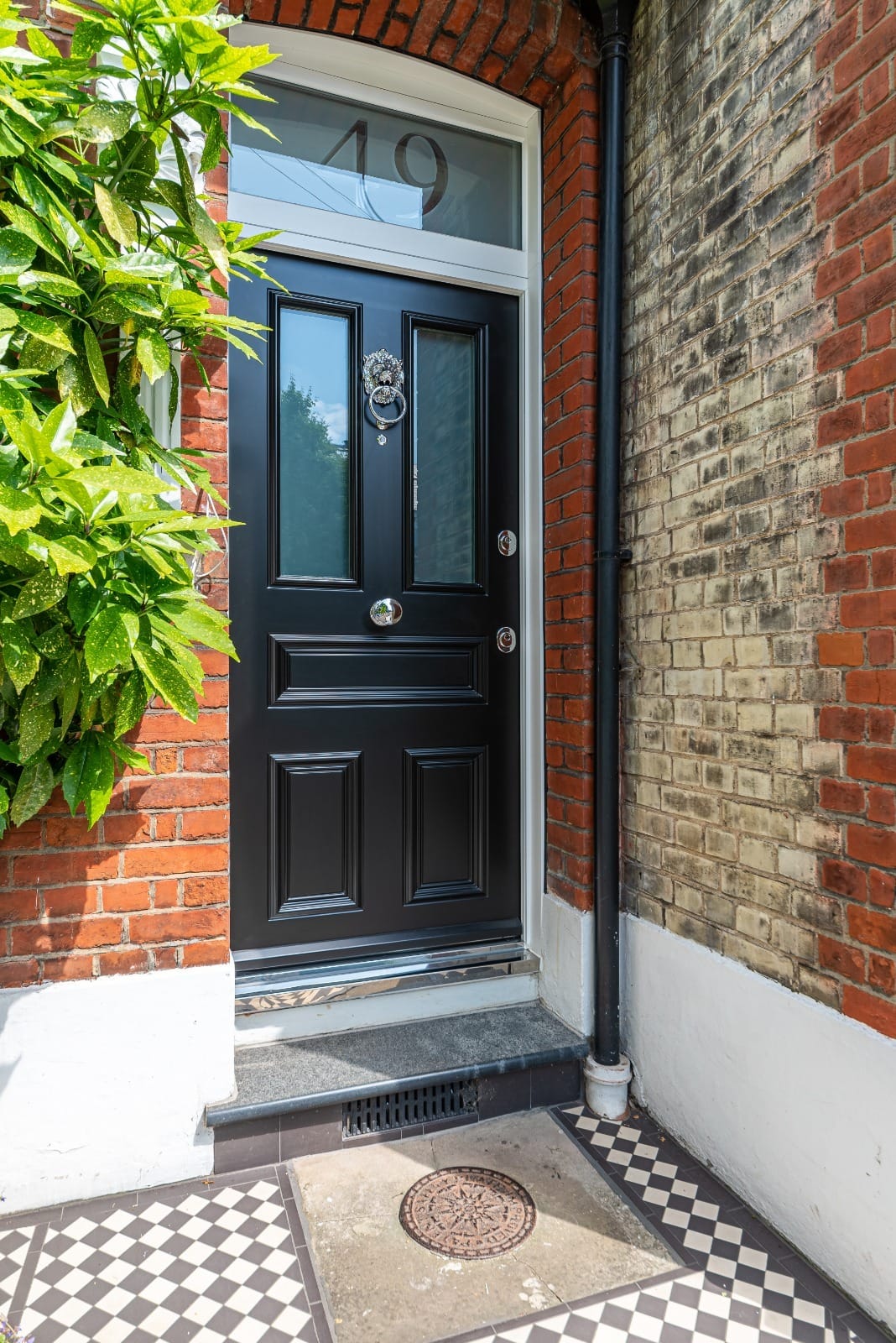
- Photographs of completed work rather than renders. Look for images of real installations in real openings, ideally including period properties where the fit is harder.
- How the company handles a direct technical question. Ask something specific and see whether the answer is engineering or marketing.
Reading Between the Lines of a Quotation
The quotation is a document buyers rarely scrutinise and it carries most of the answers. Check that it states the security rating and standard, the fire rating, the exact configuration including glazing and sidelights, the finish inside and out, the hardware specification, who installs, the lead time from signed-off design, the warranty term and what it covers, and what happens if the survey and finished opening disagree.
A quotation that lists all of this is a supplier that has thought about the specification. A quotation that says "steel security door, colour as discussed" is not a specification, and it will not help you if a dispute arises later.
Where SteelR Sits
We would rather you applied this article to us than took our word for anything in it.
So: ask us for the certificates. Ask which configuration they cover, including glazing and sidelights. Ask who surveys, who manufactures and who installs, and whether those are the same people. Ask what the warranty covers and who honours it. We hold BS EN 1627:2011 RC4 certification as Standard, with LPS 1175 SR3 and SR4 available as upgrades, alongside PAS 24:2022 and Secured by Design approval, and we would rather show you the documents than describe them.
Our security overview sets out the full certification ladder in detail, and the team is available to answer the awkward questions for your specific property. If any answer we give sounds like marketing rather than engineering, push back on it.
Frequently Asked Questions
Are online reviews reliable for choosing a steel front door?
They are reliable for service, communication, installation conduct and how a company behaves when something goes wrong, which are all worth knowing. They are not reliable evidence of security performance, because the customer writing the review has no way to verify a security rating. Use reviews to assess the company and certificates to assess the door.
What certificates should I ask a steel front door supplier for?
Ask for the security certification and check the standard and class, whose name it is issued to, and which configuration it covers. For UK residential entrance doors the relevant standards are PAS 24:2022, BS EN 1627:2011 resistance classes, LPS 1175 security ratings, and Secured by Design approval. Also ask for the fire rating as it applies to the doorset as supplied and installed, rather than to the door leaf alone.
Does a security rating apply to a door with glazing and sidelights?
Only if the certification covers that configuration. Certification under these standards applies to a specific tested assembly, so a rating earned on a solid single leaf does not automatically extend to the same design with sidelights, a fanlight or glazed panels. This is the single most useful question to ask, and a supplier with genuine certification will answer it precisely. Our security glass guide covers how glazing is designed into a certified doorset.
Why do so few steel front door companies have many reviews?
Bespoke entrance doors are a low-frequency, high-value purchase, so volumes are far lower than for uPVC or composite doors sold at scale. Review count is therefore a poor proxy for quality in this market, and the depth of individual reviews tells you more than the total.
What should a steel front door quotation include?
It should state the security rating and the standard it was tested to, the fire rating, the exact configuration including any glazing and sidelights, the finish inside and out, the hardware specification, who carries out installation, the lead time from signed-off design, and the warranty term and what it covers. A quotation that omits the configuration and the standards is not a specification you can hold anyone to.