Home Security in the UK: The Reality
Burglary remains one of the most common crimes in England and Wales. According to the Office for National Statistics, there are approximately 275,000 domestic burglaries recorded each year. While the long-term trend has been downward, that figure still means roughly one in every 100 households is burgled annually.
The good news is that most burglaries are opportunistic. Research consistently shows that visible security measures deter the majority of would-be intruders before they even attempt entry. Investing in effective home security is not just about preventing a break-in, it is about making your property a less attractive target in the first place.
This guide covers the most effective ways to improve home security in the UK, starting with the single most important element: your front door.
Start with Your Front Door
Your front door is the primary entry point for burglars. According to police crime data, around 70% of burglaries involve entry through a door, and the front door is the most common target. A secure front door is the foundation of any effective home security strategy.
What Makes a Front Door Secure?
Not all doors are equal when it comes to security. Here is what to look for:
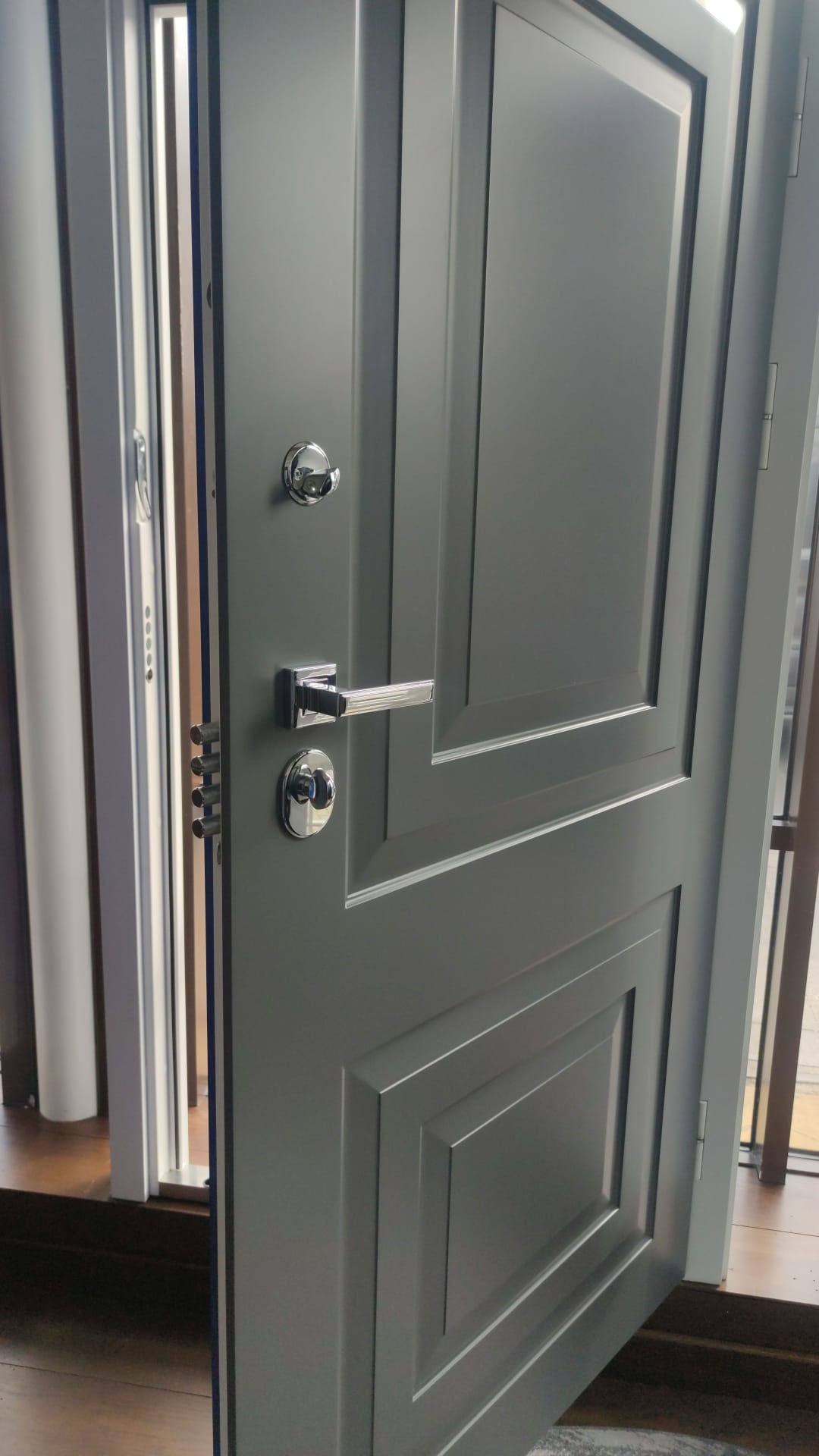
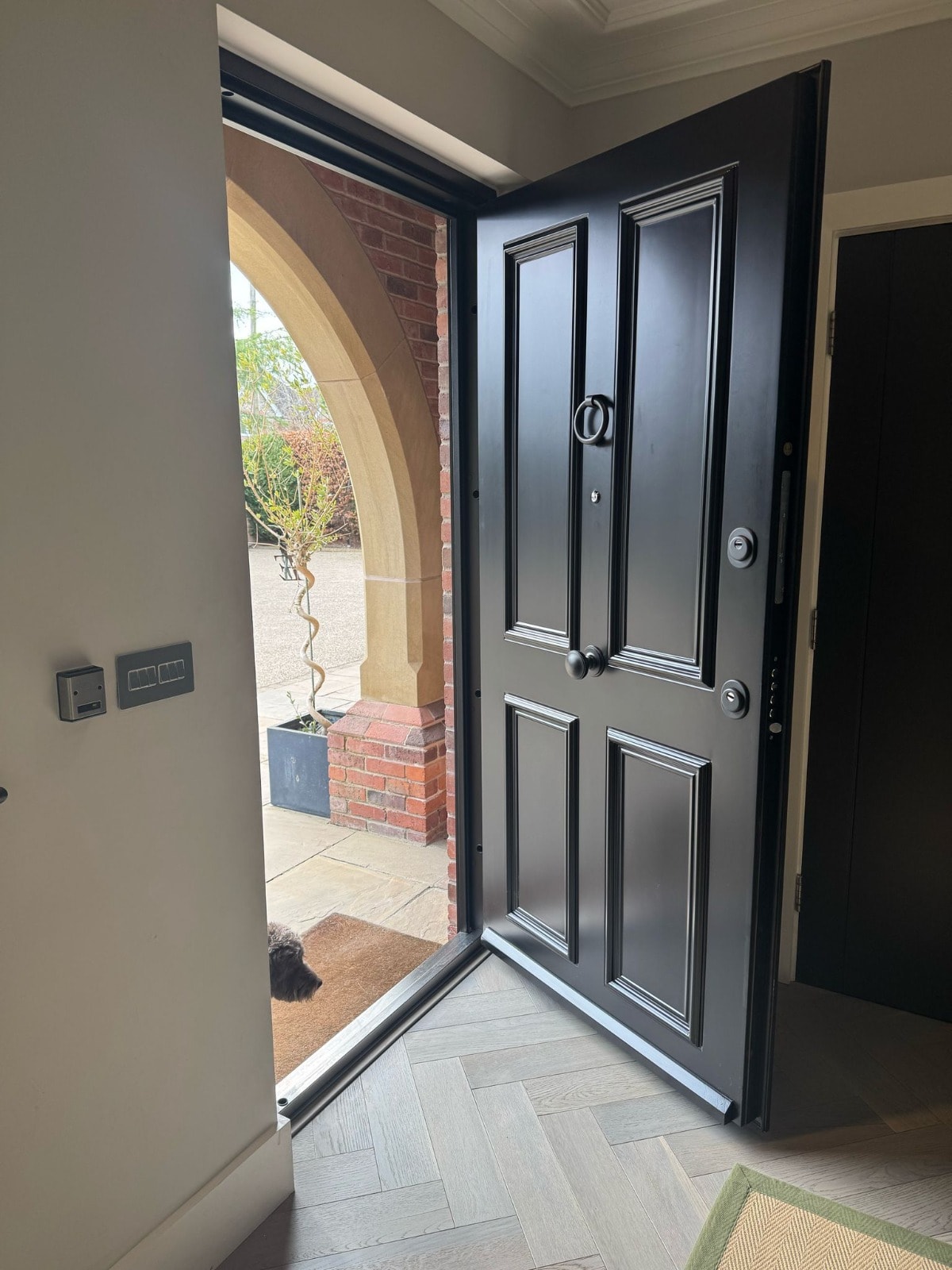
Door material and construction - Steel is the strongest material available for residential doors. A steel entrance door certified to BS EN 1627:2011 RC4 as Standard, with the LPS 1175 SR3 Enhanced upgrade available, withstands sustained attack with crowbars, drills and angle grinders - Composite doors with PAS 24 certification offer good security for most homes - Timber doors, unless reinforced, are the weakest option and can often be breached with a single kick - uPVC doors are the least secure and should be upgraded if security is a priority
Locking system - Multi-point locking, the door should lock at multiple points along the frame (typically 3 to 5 points), not just a single deadbolt - Anti-snap cylinders, standard euro cylinders can be snapped in seconds using pliers. Anti-snap, anti-pick, anti-bump and anti-drill cylinders are essential - BS 3621 or higher, look for locks that meet at least BS 3621, the standard most insurers require
Frame and hinges - The frame must be as strong as the door. A steel door in a weak timber frame is only as secure as the frame - Dog bolt hinges or security hinges prevent the door being lifted off its hinges - The frame must be securely fixed to the structural opening with appropriate fixings
Glazing - If your door has glazed panels, the glass must be laminated or security-rated to match the door's security level - Standard glass can be smashed to reach the lock. Security glazing resists impact and holds together when broken
The Secured by Design Standard
When choosing a secure front door, look for Secured by Design accreditation. This is the official UK police security initiative, and products carrying the mark have been independently tested and approved by police crime prevention officers. Secured by Design doors are tested as a complete system, door, frame, locks, hinges and glazing together, not just individual components.
Windows: The Second Priority
After doors, windows are the next most common entry point. Key security measures include:
- Window locks, all ground-floor windows should have key-operated locks, not just the standard catches
- Laminated glass, particularly for ground-floor and accessible windows. Laminated glass holds together when broken, making entry much more difficult
- Window restrictors, for windows that need to be left open for ventilation, restrictors limit the opening width
- Secured by Design windows, as with doors, SBD-accredited windows have been independently tested
Exterior Lighting
Burglars prefer to work in darkness. Effective exterior lighting is one of the simplest and most cost-effective security improvements:
- Motion-activated lights, PIR (passive infrared) sensor lights that illuminate when movement is detected. Position them to cover all entry points: front door, back door, side gates and driveways
- Dusk-to-dawn lights, low-energy lights that stay on from sunset to sunrise, providing constant ambient illumination
- Avoid dark recesses, ensure there are no unlit areas close to the house where an intruder could work unseen
- Smart lighting, connected lights that can be controlled remotely, scheduled to simulate occupancy when you are away, and integrated with cameras and alarms
Alarm Systems
A visible alarm system is a proven deterrent. Options range from simple to sophisticated:
- Audible-only alarms, trigger a loud siren when activated. The noise alerts neighbours and draws attention, but there is no monitoring
- Monitored alarms, connected to a professional monitoring centre that contacts the homeowner and/or police when triggered. These provide a higher level of response
- Smart alarms, systems like those from Ring, Yale and others that send instant notifications to your phone, integrate with cameras and can be controlled remotely
- Professional-grade systems, for high-value properties, professionally designed and installed systems with multiple zones, backup power and cellular communication
Regardless of the system you choose, a visible alarm box on the exterior of the property is itself a deterrent. Ensure it is positioned prominently.
CCTV and Video Doorbells
Camera systems have become affordable and effective:
- Video doorbells, devices like Ring, Nest and Eufy doorbells provide live video, two-way audio and motion alerts. They are visible to anyone approaching the door, which is itself a deterrent
- External CCTV cameras, positioned to cover entry points, driveways and garden areas. Modern systems offer high-definition recording, night vision and cloud storage
- Signage, a visible sign indicating that CCTV is in operation reinforces the deterrent effect (and is required under data protection regulations in many circumstances)
Garden and Perimeter Security
The boundaries of your property are the first line of defence:
- Fencing and walls, maintain boundary fences and walls in good condition. Broken or low fencing is an invitation. However, very high solid fences can also provide cover for burglars once they are inside, so a balance is needed
- Thorny planting, plants like hawthorn, berberis, pyracantha and holly beneath windows and along fence lines create a natural, low-maintenance barrier
- Gravel driveways and paths, gravel is noisy to walk on, making it difficult for anyone to approach the house unheard
- Secure sheds and outbuildings, garden sheds often contain tools that can be used to break into the main house. Fit a proper padlock and consider an alarm or camera
- Gate locks, side gates should be locked with a key-operated bolt, not just a simple latch
Smart Home Security
Technology has made it easier than ever to monitor and secure your home:
- Smart locks, keyless entry systems that can be controlled from your phone. Look for models that integrate with your door's security rating
- Home automation, lights, blinds and audio systems that can be scheduled or controlled remotely to simulate occupancy
- Sensors, door and window sensors that alert you when opened, vibration sensors that detect forced entry attempts
- Integration, the most effective smart security systems integrate cameras, alarms, locks and lighting into a single app for comprehensive monitoring
Insurance Considerations
Your home security measures directly affect your insurance:
- Most insurers require BS 3621 locks as a minimum on external doors
- Secured by Design accredited doors and windows may qualify for reduced premiums
- Alarm systems, particularly monitored systems, often reduce premiums
- Failure to meet minimum security requirements can invalidate a claim, always check your policy
A Layered Approach
The most effective home security strategy uses multiple layers of protection:
1. Perimeter, secure boundaries, lighting, gravel paths 2. Exterior, CCTV, alarm systems, secure outbuildings 3. Entry points, secure front door, window locks, security glazing 4. Interior, internal doors, safes for valuables, smart sensors 5. Technology, monitoring, alerts, remote control
Each layer adds time, noise and risk for a would-be intruder, and the more layers they face, the more likely they are to abandon the attempt.
The Single Biggest Upgrade
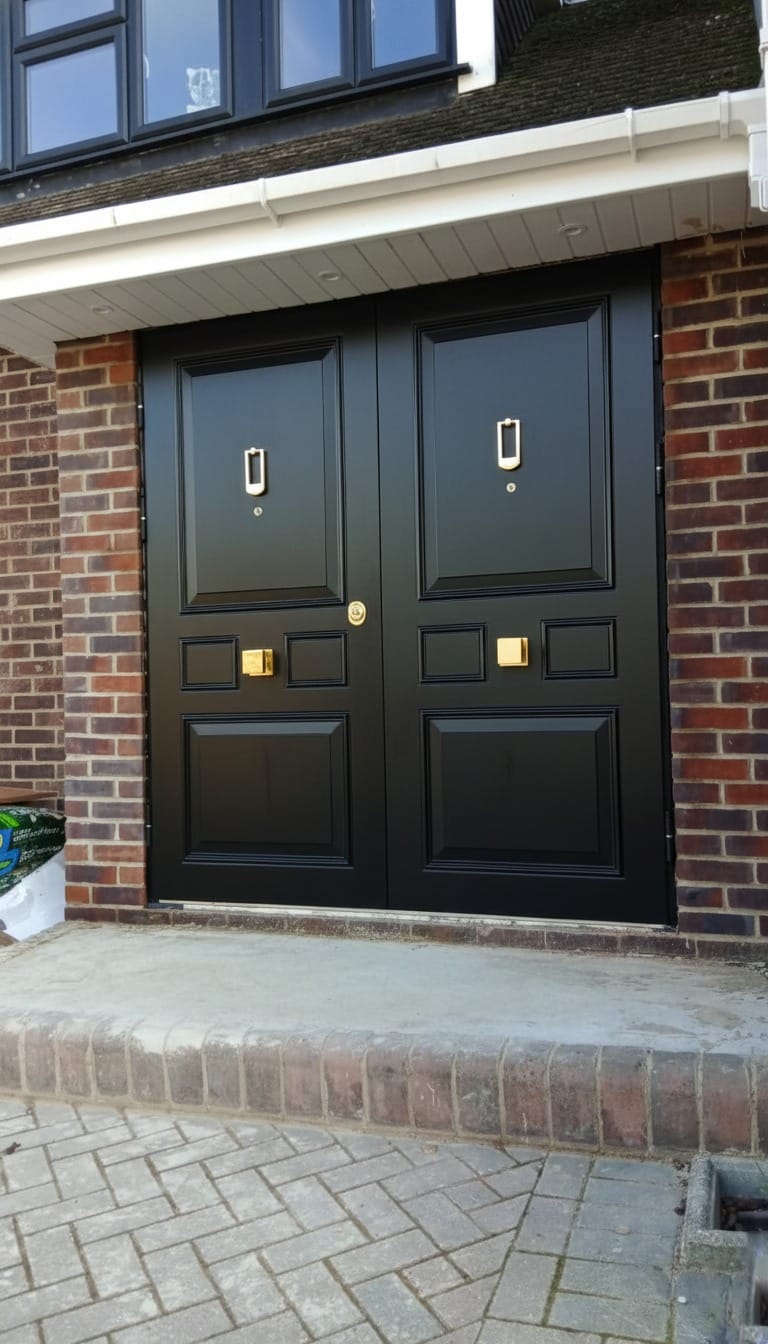
If you could make only one security improvement to your home, upgrade your front door. A certified steel front door (BS EN 1627 RC4 Standard with the LPS 1175 SR3 Enhanced upgrade and Secured by Design accreditation) eliminates the most common entry method and sends a clear signal that your property is well protected. Homeowners across London, Surrey and Buckinghamshire increasingly specify this combination. SteelR ships BS EN 1627 RC4 with Secured by Design as Standard, with the LPS 1175 SR3 Enhanced upgrade and SR4 Commercial-grade upgrade available where the threat profile demands it.
At SteelR, every entrance door we manufacture is BS EN 1627 RC4 certified as Standard (with LPS 1175 SR3 Enhanced upgrade available), Secured by Design accredited and built with multi-point locking systems and security-rated glazing as standard. Combined with ISO 9001 certified manufacturing and professional installation, a SteelR door provides the strongest possible foundation for your home security. For the police-preferred specification standard explained in detail, see our Secured by Design steel front door overview. Contact us to discuss how we can help secure your home.
Frequently Asked Questions
What is the single biggest home security upgrade for a UK house?
The front door. Office for National Statistics data shows the front door is the single most common burglary entry point. Upgrading a standard PAS 24 door to an SR3-rated Secured by Design doorset eliminates the most vulnerable point of entry, and the visible security also deters opportunistic attempts. No other single upgrade closes off a specific attack route as completely.
How long does a typical burglary attempt last?
Most opportunistic burglars will abandon an attempt that takes longer than three to five minutes. PAS 24 certification is a three-minute test against hand tools. SR3 is a five-minute test against power tools. The material difference between these specifications is whether the door deters the average burglar or only a determined, tooled-up one. For most UK homes, SR3 places you well above the threshold of effort a typical burglar will commit.
Do alarms and cameras actually deter burglars?
Visible security systems materially reduce burglary risk. Academic research by the University of North Carolina (interviews with convicted burglars) and Home Office statistics both indicate that visible alarm signals, doorbell cameras and exterior cameras reduce target selection. However, alarms without a secure door simply delay entry. The right combination is layered physical security (door, locks, windows) plus visible electronic deterrents.
Is smart lock technology secure enough for a front door?
Quality smart locks from manufacturers with proper independent security testing (including cyber-security testing such as Secured by Design CyberSecure) are as secure as traditional mechanical locks. Cheap smart locks that lack certification have been shown to have both physical and software vulnerabilities. If you want a smart lock, specify one that holds SBD CyberSecure certification or equivalent testing, installed in an SR3-rated doorset.
Are ground-floor windows or the back door as important as the front?
Ground-floor windows and rear doors are the second and third most common entry points. Once the front door is secure, upgrade ground-floor windows to laminated security glazing and the back door to at least PAS 24. Patio and French doors are also common entry points and should use anti-lift systems. Layered security works: each upgrade adds time and risk to an attempted entry.
Do home insurance premiums drop with SR3 or Secured by Design specifications?
Many UK insurers offer premium reductions or waived excesses for forced-entry claims on properties with SR3 and Secured by Design accredited doors. The benefit varies by insurer and is not applied automatically: you need to request it at renewal and supply the certificate references from the installer. For some policies the savings can offset a meaningful proportion of the door upgrade cost over time.