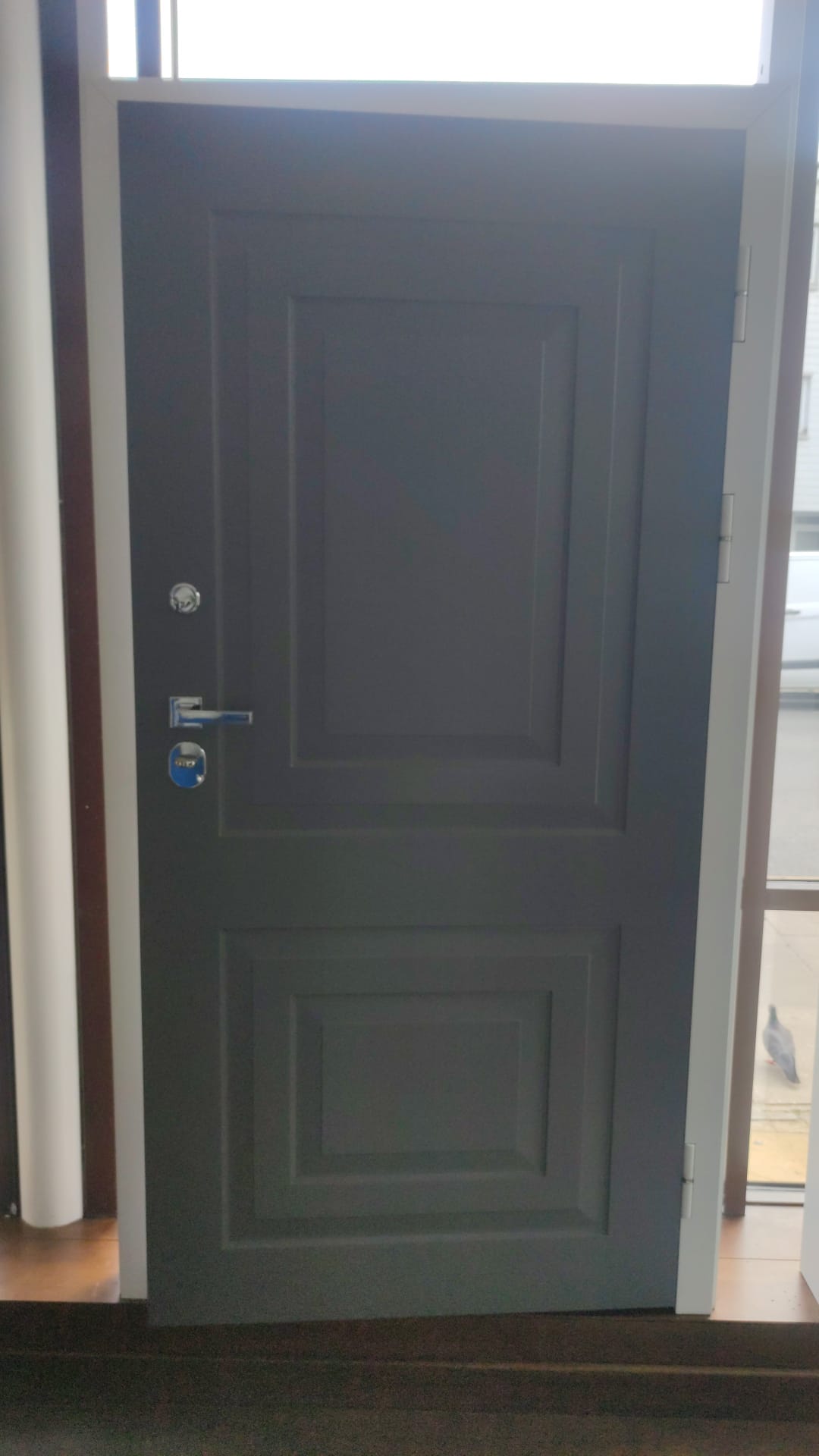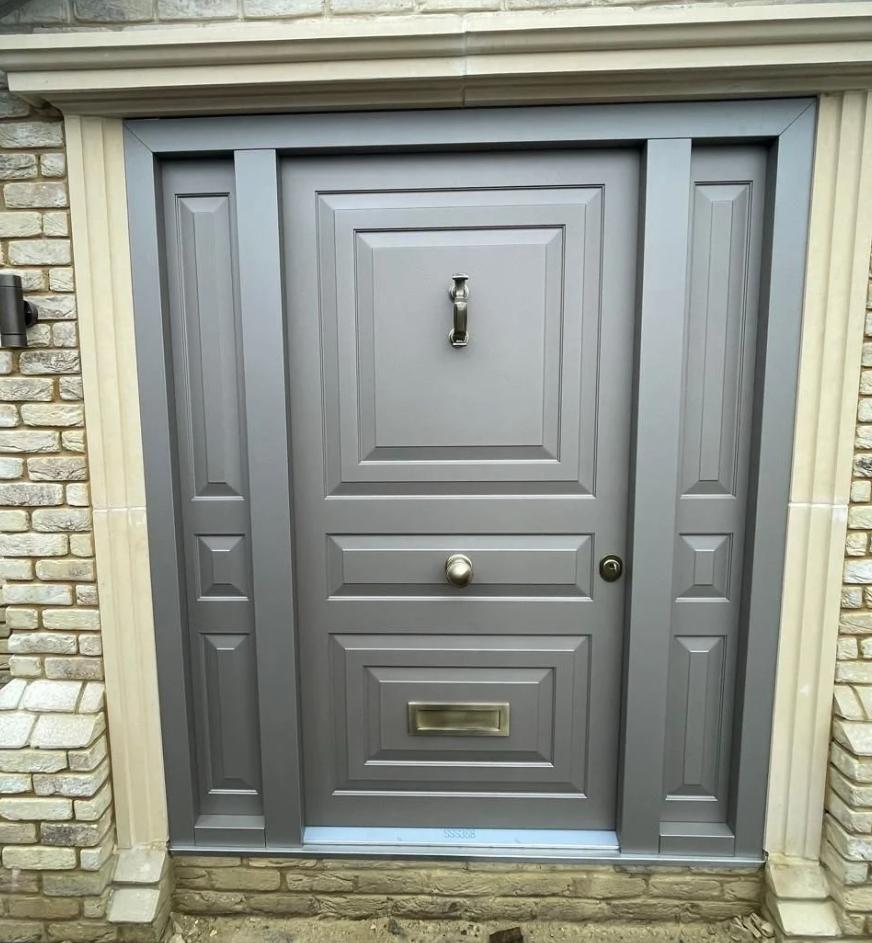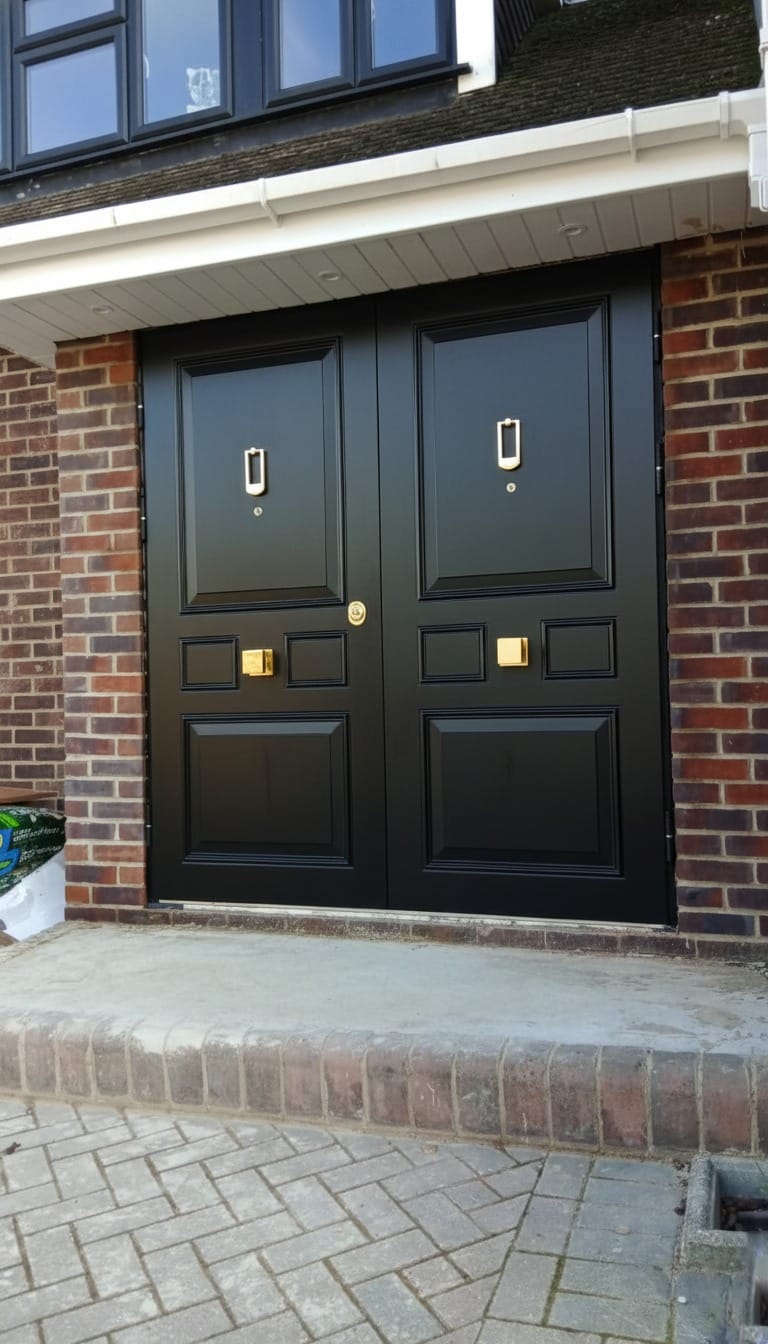
The Front Door Is Often the Quietest Part of the Wall, or the Loudest
For homes on busy roads, near railway lines, or under a flight path, the front door is frequently the weakest acoustic link in the whole facade. A solid masonry wall blocks a great deal of sound. A thin, hollow or poorly sealed door does not. Many homeowners spend on acoustic glazing for their windows and then leave a door that lets street noise pour straight into the hallway.
A well-built steel entrance door is one of the most effective doors you can fit for noise control. This is not because steel has a magic property, it is because the things that block sound, mass and sealing, are exactly the things a bespoke steel door is built around. This guide explains how door noise actually works, what makes steel doors quiet, and what you can realistically expect.
How Sound Gets Through a Door
Noise reaches your hallway by two separate routes, and a quiet door has to deal with both.
1. Through the door leaf itself. Sound energy vibrates the outer face of the door, travels through the construction, and re-radiates from the inner face. Dense, well-damped construction resists this. Thin, hollow or single-skin construction does not. 2. Around the edges. This is the route most people underestimate. Even a heavy door leaks sound through the gaps at the sides, head and threshold. A 1mm continuous gap around a door can undo most of the leaf's acoustic benefit. Sealing is as important as mass.
A door that is excellent on one route and poor on the other will disappoint. The reason lower-cost doors are noisy is rarely the panel alone, it is usually the seals and the threshold.
What Makes Steel Entrance Doors Good at Blocking Noise
Mass
The single most reliable principle in acoustics is the mass law: heavier barriers block more sound, particularly the low-frequency rumble of traffic and aircraft that lighter doors struggle with. A bespoke steel entrance door is substantially heavier than a composite or uPVC equivalent, typically 60 to 100kg for a single leaf. That mass is doing acoustic work every second, not just security work.
Insulated Dual-Skin Construction
Modern steel entrance doors are not single sheets of metal. They use two steel skins separated by a dense insulated core, with a thermal break isolating the inner and outer faces. This layered, damped construction interrupts the path sound takes through the door and reduces the resonance that makes thin doors ring. The same construction that delivers the door's thermal performance also contributes to its acoustic performance.
Full-Perimeter Compression Seals
Every SteelR door closes onto multiple lines of compression seal around the full perimeter. Because the door is heavy and the multi-point locking pulls the leaf firmly into the frame, those seals compress consistently and stay compressed. This closes the edge-leakage route that defeats lighter doors. A steel door does not develop the seasonal gaps that timber doors open up as they swell and shrink, so the acoustic seal you have in summer is the acoustic seal you have in winter.
The Threshold
The gap under the door is the hardest leak to close and the one most installers ignore. A properly specified steel doorset uses an engineered threshold with a continuous weather and acoustic seal, rather than a brush strip that light passes straight under. On a noise-sensitive project this detail matters as much as the leaf.
Glazing: The Part Most People Get Wrong
If your door has glazing, sidelights or a fanlight, the glass becomes the acoustic weak point unless it is specified correctly. Standard double glazing with two equal panes performs poorly against traffic noise because both panes resonate at similar frequencies.
For a quieter result, acoustic laminated glass uses an interlayer that damps vibration, and asymmetric glazing uses panes of different thicknesses so they do not resonate together. On a bespoke door this is a specification choice, you decide it up front rather than discovering the limitation after fitting. If noise is a priority, it is usually better to keep glazed area modest and specify it well than to maximise glass and compromise on quiet. Our collection includes solid, part-glazed and sidelight configurations so the balance is yours to set.
How Steel Compares to Other Door Materials
Honestly, the material name matters less than mass, core and sealing, but those tend to follow the material.
- Steel: High mass, damped dual-skin core, firm multi-point compression sealing and dimensional stability. Strong all-round acoustic performer, and the seal does not degrade seasonally.
- Solid timber: A genuinely heavy hardwood door performs well acoustically, but timber moves with humidity, so seals open and close through the year and performance drifts. Lightweight or hollow timber doors perform poorly.
- Composite: Mid-range. The foam core damps some sound but the overall mass is lower than steel, and edge sealing varies widely by manufacturer.
- uPVC: Lightest of the common materials and usually the weakest for low-frequency noise, with frames that can flex and seals that relax over time.
The point is not that steel is the only quiet door, it is that a heavy, dual-skin, firmly sealed door stays quiet for decades, and steel delivers all three properties at once without seasonal movement.
What Noise Reduction Can You Realistically Expect
Be wary of any door sold on a single headline decibel figure. Real-world noise reduction depends on the whole opening: the leaf, the glazing, the seals, the threshold, and crucially the quality of installation and the condition of the surrounding wall. A superb door fitted into a poorly made-good opening will still leak sound through the reveal.
What you can expect from a correctly specified and installed steel doorset is a clear, noticeable reduction in the street and traffic noise entering the hallway, the removal of the draught-borne whistle and rattle that older doors suffer, and consistent performance year-round. For the quietest possible result, the door should be specified with acoustic glazing where glazed, an engineered acoustic threshold, and professional installation that seals the door into the structure properly. That last point is why we fit every door with our own installation team rather than subcontracting.
Specifying a Quieter Door
If noise reduction is a priority for your project, these are the choices that actually move the needle, in order of impact:
- Keep the construction solid and heavy, and limit unnecessary glazed area
- Where glazing is wanted, specify acoustic laminated and asymmetric panes rather than standard double glazing
- Insist on full-perimeter compression seals and an engineered acoustic threshold, not brush strips
- Have the door professionally installed and the reveal properly made good, so the wall around the door is not the leak
This matters most for homes on arterial roads and in dense parts of London and the home counties, where the door faces the street directly. It is one of the quiet advantages of a luxury steel entrance door: the security specification and the acoustic specification reinforce each other, because mass and tight sealing serve both.
To talk through a noise-sensitive specification for your property, contact our team or browse the collection to see solid and part-glazed designs. Every SteelR door is made to your exact specification, so the acoustic detail is built in from the start, not bolted on afterwards.
Frequently Asked Questions
Do steel front doors reduce noise better than composite doors?
Generally yes, because the two properties that block sound, mass and firm sealing, are higher on a bespoke steel door. A steel door's heavier dual-skin construction resists low-frequency traffic noise better than a lighter composite, and its multi-point locking holds the compression seals tight for the life of the door rather than relaxing over time. The biggest variable in either case is the glazing and the quality of the seal at the threshold.
What actually makes a front door soundproof?
No door is fully soundproof, but the quietest doors combine four things: high mass in the leaf, a damped insulated core, continuous compression seals around the full perimeter, and an engineered threshold that closes the gap underneath. Glazing must be acoustic laminated rather than standard double glazing. Installation matters as much as the door itself, because sound leaks through any gap left between the frame and the wall.
Does the glass in a front door let noise through?
Yes, glazing is usually the acoustic weak point. Standard double glazing performs poorly against traffic noise because both panes resonate similarly. Acoustic laminated glass with a damping interlayer, and asymmetric panes of differing thickness, perform far better. On a bespoke door you specify this at the design stage, and you can also choose how much glazed area to include.
Will a steel door stay quiet over time?
Yes. Steel does not swell, shrink or warp with humidity, so the compression seals stay correctly compressed all year and for the life of the door. Timber doors, by contrast, open and close seasonal gaps as they move, which is why their acoustic and draught performance drifts. The powder-coat finish and seals are designed to last, so the door performs the same in its tenth year as its first.
Is a steel front door worth it for a house on a busy road?
For a property directly exposed to traffic, railway or aircraft noise, a correctly specified steel doorset is one of the most effective single upgrades for the entrance, because it improves security, thermal comfort and acoustic comfort at the same time. The key is to specify it for noise from the outset: solid or acoustically glazed, fully sealed, engineered threshold, professionally installed. Speak to us about the noise conditions at your property and we will specify accordingly.